
Bath Tai Chi shares practical, down-to-earth guidance on tai chi and qigong for health, balance, and mindful movement in bath for readers across the UK.
- 0123456789
- Angle Bd Abdelmoumen & rue soumaya, Résidence
- [email protected]
Bath Tai Chi shares practical, down-to-earth guidance on tai chi and qigong for health, balance, and mindful movement in bath for readers across the UK.
 By Margaret Ashworth
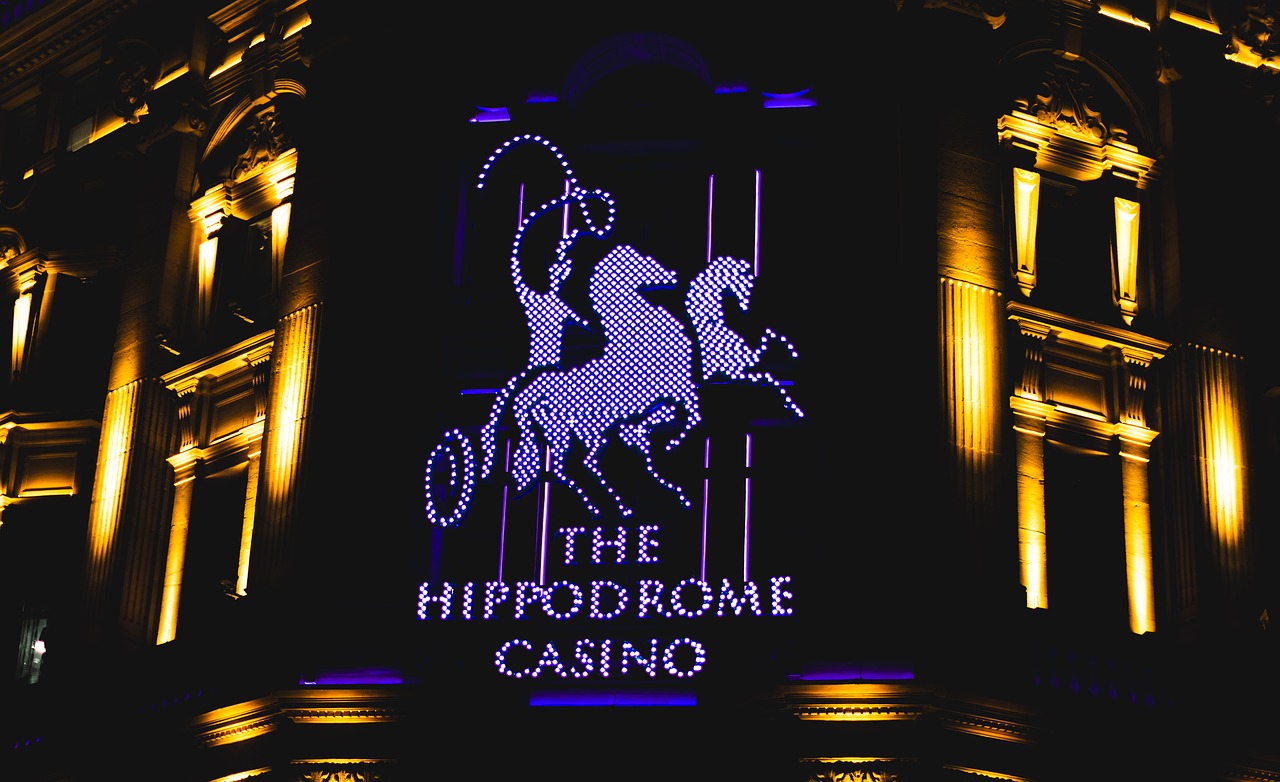
The first time I watched a professional poker player fold a full house, I thought he'd lost his mind. Then he explained the math: the pot odds didn't justify the call, the opponent's betting pattern screamed quads, and ego is the most expensive chip on the table. That moment taught me more about iGaming than a thousand flashy slot streams ever could. This industry isn't a slot machine that pays out opinions. It's a massive, heavily regulated ecosystem of probabilities, psychology, and design decisions — and understanding a few of them changes everything about how you play.
Every casino game on Earth carries a house edge, and it's rarely a secret. The number just gets buried under neon and free-drink offers. European roulette runs about 2.7 percent because there's a single zero, while its American cousin jumps to 5.26 percent thanks to that extra double zero. A standard blackjack game with decent basic strategy drops to roughly 0.5 percent. Slots? Their RTP (return to player) usually sits between 92 and 97 percent, but here's the catch: that 95 percent RTP is calculated over millions of spins, not your Tuesday night session.
What that means practically: you can do everything "right" and still lose three sessions in a row. Variance isn't a punishment. It's the texture of randomness.
Modern video slots are some of the most sophisticated software in gaming. A single machine like Book of Dead or Sweet Bonanza can run on RNGs producing thousands of outcomes per second, with volatility profiles calibrated to produce long dry spells followed by explosive bonus rounds. That feast-or-famine rhythm is engineered, not accidental.
If you prefer steadier play, look for low-volatility slots with frequent small wins. If you're chasing the thrill of a 5,000x multiplier, high-volatility games will punish your patience before rewarding it. Neither is "better," but pretending you can predict the next spin is a comedy routine.
One concrete tip: check the game's max win and hit rate before depositing. A slot with a 10,000x max but a 1-in-30-million bonus trigger isn't the same beast as one with a 500x max that pops off every few hundred spins. We found SHBET to be a handy reference here.
Poker deserves its own category because the house edge is fixed and tiny — you're not fighting the casino, you're fighting the other players. The casino just takes a rake, usually 5 percent capped at a few dollars. That's a completely different strategic landscape.
Three concepts that separate winning players from donors:
Online poker adds a layer amateurs underestimate: trackers and HUDs (heads-up displays). If you're playing on regulated sites against regulars using statistical software, your tendencies are being logged whether you like it or not. Adapt or become someone's hourly rate. Readers looking for specifics may like SH BET.
Sportsbooks aren't evil calculators. They price markets with a margin, typically 4-7 percent on major events, and they adjust lines based on where money flows. The opening line often reflects the sharpest of sharp bettors; by the time you see it, it's already been moved a tick or two.
The bettors who win long-term fall into roughly two camps: those with genuine information edges (injury networks, weather modeling, regional expertise) and those who exploit promotions and arbitrage across multiple books. Everyone else is grinding negative expected value and calling it passion.
A realistic guideline: if you can't articulate why your pick beats the offered price, you don't have an edge. You have a hunch, and hunches pay for sportsbook bonuses.
Casinos and betting apps are engineered by behavioral scientists, and that's not paranoia talking — it's job description. Near-miss graphics, loss-disguised-as-win animations, and cash-out prompts are all designed to keep you playing just one more round.
If gambling stops feeling like entertainment and starts feeling like obligation, that's not a strategy problem. That's a signal to step back — and legitimate operators offer deposit limits, time-outs, and self-exclusion tools precisely because this is real.
After years around this industry, the people who consistently have fun and don't wake up with regret share one trait: they treat iGaming as entertainment with an entrance fee, not as an income strategy. They set budgets, they understand the edges, they laugh at bad beats instead of doubling down on them, and they never confuse a hot streak with a skill.
The house edge is real, the math is indifferent, and no amount of lucky socks changes the odds. But that doesn't mean playing is foolish — it means playing blind is. Know the game underneath the game. Play the numbers you can see, respect the ones you can't, and walk away while you're still having a good time. That's the only edge that actually lasts.


We are not gonna make spamming
