
Bath Tai Chi shares practical, down-to-earth guidance on tai chi and qigong for health, balance, and mindful movement in bath for readers across the UK.
- 0123456789
- Angle Bd Abdelmoumen & rue soumaya, Résidence
- [email protected]
Bath Tai Chi shares practical, down-to-earth guidance on tai chi and qigong for health, balance, and mindful movement in bath for readers across the UK.
 By Thomas Greenwood
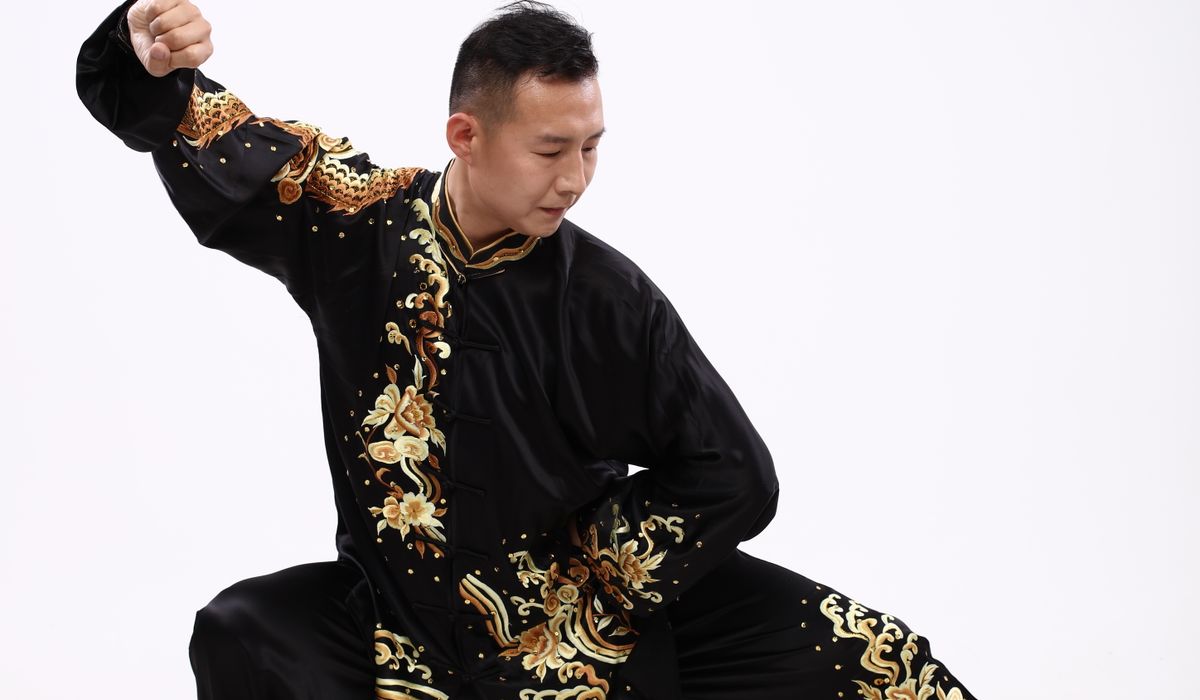
Watch a tai chi form and you might admire the graceful arms. But ask any teacher: the real work happens in the legs. The stances – bow, empty, horse – are the foundation for every gesture, breath, and moment of mindful movement. In Bath, whether you practise in a community hall or your living room, correct stances mean the difference between stiffness and flow. Qigong and tai chi both rely on aligned posture to let energy circulate. Without stable, comfortable stances, your knees ache, your back tenses, and your mind wanders. With them, you create a container for health, balance, and calm.
The bow stance (gong bu) is the most common. Imagine drawing a bow: front leg bends, back leg straightens, weight roughly 70 per cent front, 30 per cent back.
Step forward with your left foot, hips facing forward. Bend the left knee so it does not go past your toes. The right leg stays straight but not locked. Keep your pelvis level and tailbone tucked. In Bath, with our uneven pavements and hills, this stance teaches you to root while moving – a skill for confident walking. Avoid letting the front knee collapse inward or leaning the torso too far forward. Instead, sink your weight through the front foot and let the back leg provide a gentle push. Hold for three to five breaths before adding arms.
The empty stance (xu bu) asks you to put almost all weight on one leg. The other foot rests lightly – heel or toes touching, carrying no weight. It is the stance of readiness, used in movements like "White Crane Spreads Its Wings".
Start with feet together. Shift weight onto your right leg, then step your left foot forward, touching with the heel only. Your left knee stays slightly bent, but your right leg bears all your weight. Keep hips level and torso upright. This stance cultivates single-leg balance – vital for preventing falls – and trains you to move without tension. If your supporting hip juts out or your standing knee locks, you will feel wobbly. In Bath's tai chi groups, teachers use the empty stance to help students notice subtle weight shifts, a skill that carries over into mindful walking along the canal. Empty does not mean limp; your empty leg is alert, ready to step.
The horse stance (ma bu) builds leg strength and lower body stability. Stand with feet parallel, about two shoulder-widths apart. Sink your hips as if sitting on a high stool, knees bent and pointing the same way as your toes. Back straight, shoulders relaxed.
Many find the horse stance challenging – that is the point. It strengthens thighs, opens hips, and teaches you to breathe through effort without tensing your upper body. In Bath, where many of us sit at desks or in cars, it is a wonderful antidote to tight hip flexors. Start by holding for 30 seconds, then build to two minutes. If your knees hurt, raise your hips – depth matters less than alignment.
Whatever stance you practise, a few alignment principles apply across all tai chi and qigong forms.
These are gentle guides, not rigid rules. In Bath, where life can feel both bustling and serene, your practice becomes a moving meditation – a chance to notice, adjust, and soften.
You do not need a studio. A few minutes each morning in your kitchen, or a pause in Royal Victoria Park, is enough. Try this: hold a horse stance for five breaths, shift into a bow stance on each side, then finish with an empty stance on each leg. Notice how your body feels before and after.
Many local tai chi and qigong classes in Bath emphasise slow, repetitive stance work because it builds muscle memory. Whether you are new to mindful movement or returning after a break, patience with your stances rewards you with better balance, less pain, and a quieter mind. The stances are not a hurdle – they are the practice itself. Step by step, breath by breath, you build a foundation that supports everything else.


We are not gonna make spamming
