
Bath Tai Chi shares practical, down-to-earth guidance on tai chi and qigong for health, balance, and mindful movement in bath for readers across the UK.
- 0123456789
- Angle Bd Abdelmoumen & rue soumaya, Résidence
- [email protected]
Bath Tai Chi shares practical, down-to-earth guidance on tai chi and qigong for health, balance, and mindful movement in bath for readers across the UK.
 By Thomas Greenwood
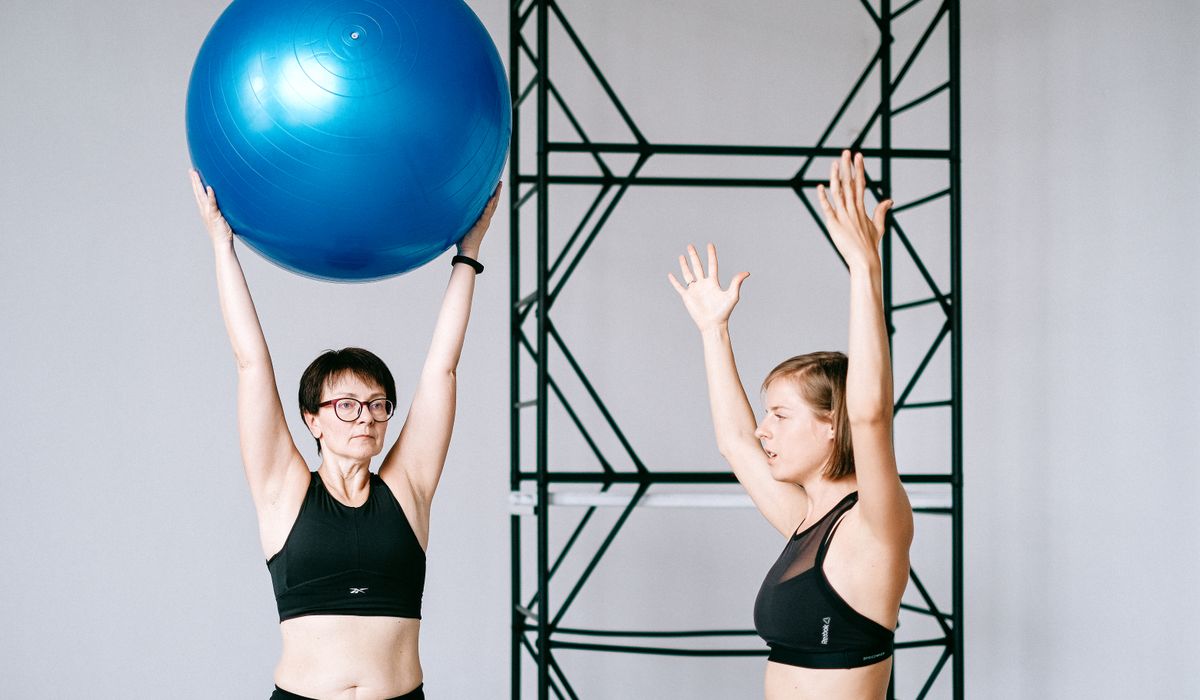
Bath is a city that rewards slow movement. Between the steep terraces of Lansdown, the cobbles around the Abbey, and the towpath along the Kennet and Avon Canal, there are plenty of places where rushing simply does not help. That makes it a natural home for tai chi and qigong, two gentle practices that build strength, balance and calm through relaxed, deliberate movement.
Tai chi is often described as moving meditation. Its slow, continuous forms train the legs and ankles, teach you to shift weight with control, and encourage steady breathing. Qigong is simpler still — repeated, flowing movements coordinated with the breath, often practised standing or seated. Both are low impact, adaptable, and genuinely useful for anyone wanting to feel steadier on their feet.
The evidence base is encouraging. Research suggests regular practice can improve balance and reduce the risk of falls in older adults, ease joint stiffness, and support sleep and mood. In a city with as many hills and flights of stone steps as Bath, better balance is not an abstract benefit.
Inclusion is easy to claim and harder to practise. A genuinely welcoming group usually shows itself in small, practical details rather than warm words on a poster.
Look also at the practical side: step-free access, parking or a nearby bus stop, a hall that is warm enough to stand still in, and a class size that lets the teacher see everyone.
A short conversation or email before your first session saves time and awkwardness. Try asking:
If you have a health condition, check with your GP or physiotherapist first. Most people can begin gently, but it is sensible to be guided by someone who knows your situation.
Classes in Bath tend to cluster in community venues rather than dedicated studios. You will find sessions in church halls around Widcombe and Combe Down, in village halls out towards Batheaston, Larkhall and Newton St Loe, and in community centres in Twerton, Odd Down and Weston. Some teachers run outdoor sessions in Royal Victoria Park, Henrietta Park or Sydney Gardens during the warmer months, which can be a lovely introduction to qigong.
Other places to check include the leisure centres on the Lower Bristol Road and at Odd Down, local libraries and noticeboards, and the newsletters of residents' associations. GP surgeries and physiotherapy clinics sometimes keep lists of gentle movement classes. Community groups for older residents are often the quickest route to a recommendation.
Neighbouring towns are worth considering too. Keynsham, Midsomer Norton, Radstock and Paulton all have small groups, and the short journey may open up a class that fits your week far better than anything in central Bath.
One weekly class is a good start, but the real benefits come from short, regular practice. Ten minutes most days beats an hour once a fortnight.
If you can, find a practice buddy from your class. Meeting once a fortnight to run through the form keeps it alive and makes the commitment easier to keep.
The best group is the one you will actually attend. Choose a time and place that fit your week honestly, pick a teacher whose instructions make sense to you, and give it a month before deciding. Progress in tai chi is quiet — a little more steadiness on the stairs, a little less tension in the shoulders, a little more patience in traffic.
Bath has a lively and varied offering if you know where to look. Visit a class, watch for ten minutes if you would rather, speak to the teacher, and ask the questions that matter to you. A supportive group will make room for whatever your body can do today, and gently invite you back tomorrow.


We are not gonna make spamming
